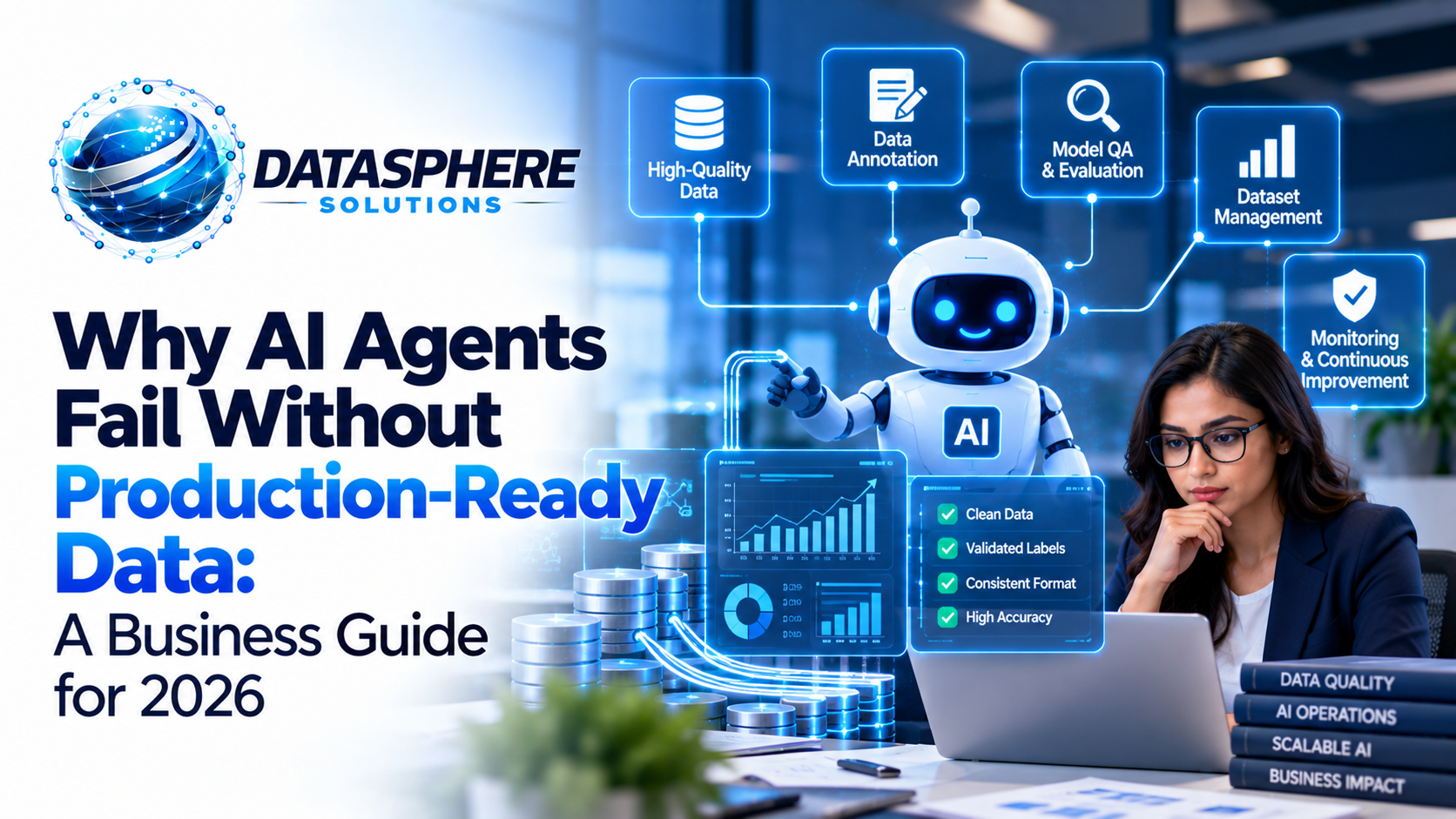




Customer expectations are evolving, and businesses need faster, smarter, and more scalable support operations to stay competitive. In 2026, AI-powered automation, omnichannel communication, and dedicated customer support teams are helping organizations improve response times, streamline workflows, and deliver better customer experiences. Discover the latest customer support trends and strategies to scale your operations without compromising service quality.
1. Why Customer Support Operations Are Changing in 2026
Traditional customer support models often depend on agents manually reviewing tickets, searching for information, responding to queries, and escalating complicated cases.
As businesses grow, this approach can become difficult to maintain. More customers mean more tickets, higher staffing requirements, longer queues, and greater pressure on support teams.
Several factors are accelerating the shift toward modern customer support operations:
- Increasing customer expectations for faster resolutions.
- Growing volumes of customer interactions across digital channels.
- Rising operational costs and recruitment challenges.
- Greater demand for personalized customer experiences.
- Wider adoption of AI, automation, and integrated CRM platforms.
Businesses are increasingly looking for operating models that combine technology, trained support specialists, and standardized workflows.
Rather than treating customer support as a reactive function, organizations can use it to strengthen customer relationships, improve product adoption, and support long-term retention.
2. AI-Powered Customer Support: From Chatbots to Intelligent Workflows
AI is changing how customer service teams manage everyday activities.
Modern AI-enabled workflows can classify incoming tickets, identify customer intent, retrieve relevant knowledge-base articles, summarize previous conversations, suggest responses, and route requests to the appropriate team.
For example, a SaaS customer experiencing a login issue might previously have waited while an agent collected account details and searched troubleshooting documentation.
With an integrated support workflow, AI can help identify the issue, retrieve relevant troubleshooting steps, summarize the customer's history, and prepare the case for an agent.
This can reduce repetitive work and allow support professionals to focus on resolving the underlying problem.
Practical applications of AI in customer support
Automated ticket classification: Categorize incoming requests by topic, priority, or issue type.
AI-assisted responses: Help agents prepare accurate, context-aware responses using approved support documentation.
Intelligent ticket routing: Direct requests to teams or specialists with the appropriate skills.
Conversation summarization: Reduce the time agents spend reviewing long interaction histories.
Self-service support: Help customers find answers to common questions without waiting for an agent.
Quality analysis: Identify recurring customer issues and opportunities to improve service processes.
The most effective approach is to automate tasks where the risks are manageable while retaining human oversight for situations requiring judgment, empathy, or specialized knowledge.
3. Omnichannel Customer Support Is Becoming a Business Necessity
Customers may contact a business through email, live chat, telephone, social media, or a support portal. They expect consistent assistance regardless of the channel they choose.
However, when these channels operate independently, customers may need to explain the same problem repeatedly. Support teams may also struggle to access previous conversations or understand the complete customer journey.
An omnichannel support model helps connect these interactions through shared workflows, customer records, and ticket management processes.
What an effective omnichannel model includes
- Unified ticket tracking across supported channels.
- Access to relevant customer interaction history.
- Consistent response standards and escalation procedures.
- Centralized SLA monitoring and performance reporting.
- Integrated CRM and support platforms.
- Clear ownership of unresolved customer issues.
For growing businesses, the goal is not simply to offer more communication channels. It is to make every interaction feel connected.
When implemented effectively, omnichannel customer support can help reduce friction, improve agent productivity, and create a more consistent customer experience.
4. Dedicated Offshore Customer Support Teams: A Scalable Operating Model
Hiring an in-house support team can become expensive and time-consuming as customer volumes increase. Recruitment, onboarding, training, management, and employee turnover can create additional operational pressure.
A dedicated offshore customer support team offers an alternative operating model.
Instead of relying entirely on an internal team or a shared pool of agents, businesses can build a support team aligned with their own tools, workflows, products, and service expectations.
A dedicated team can include support agents, team leaders, quality assurance specialists, and CRM or tooling professionals, depending on business requirements.
Key advantages of dedicated support teams
Scalable capacity: Adjust team capacity as customer demand changes.
Operational consistency: Establish standardized processes, documentation, and service guidelines.
Specialized expertise: Assign trained professionals to product-specific or industry-specific support requirements.
Integrated workflows: Work within the company's existing CRM and support technology.
Quality monitoring: Use structured reviews, performance coaching, and customer satisfaction tracking.
Management visibility: Maintain clear reporting, ownership, and escalation processes.
Offshore support is not automatically more effective or less expensive in every situation. Its value depends on the operating model, service complexity, communication requirements, and the quality of team management.
The objective should be to build a reliable extension of the business—not simply to reduce staffing costs.
5. The Human + AI Approach: Why Automation Alone Is Not Enough
One of the biggest mistakes businesses can make is measuring customer support success only by how many interactions AI can automate.
A chatbot may respond instantly, but if it fails to resolve the customer's issue, the customer may still need to contact support again.
Similarly, an automated workflow may reduce handling time while increasing escalations or customer frustration.
That is why human expertise remains essential.
AI is particularly useful for repetitive tasks, information retrieval, ticket classification, and agent assistance. Human professionals remain important for complicated technical problems, sensitive conversations, exceptions, and situations requiring empathy or business judgment.
A hybrid model combines the strengths of both.
Businesses should define when AI can act independently, when approval is required, and when a case must be escalated to a human specialist.
This creates a more practical path toward automation without compromising accountability.
Scale Your Customer Support Without Compromising Quality
Empower your business with dedicated customer support teams, streamlined workflows, and technology-enabled operations. DataSphere Solutions helps businesses manage customer interactions efficiently, improve service consistency, and scale support capacity as they grow.
6. Customer Support Metrics That Actually Matter
A modern support operation should measure customer outcomes alongside operational efficiency.
Reducing costs or increasing ticket volume does not necessarily mean customers are receiving better service.
Businesses should monitor a balanced set of performance indicators.
First Response Time (FRT): Measures how long customers wait for an initial response.
Resolution Time: Tracks how long it takes to resolve customer issues.
First Contact Resolution (FCR): Measures the proportion of issues resolved during the first interaction, using a clearly defined methodology.
Customer Satisfaction (CSAT): Captures customer feedback about the support experience.
SLA Compliance: Measures whether agreed service commitments are being met.
Ticket Backlog: Shows the number of unresolved requests awaiting action.
Recontact Rate: Helps identify cases where customers need to return for the same issue.
Quality Assurance Score: Evaluates whether interactions meet established standards for accuracy, communication, process compliance, and resolution quality.
The right metrics depend on the business, customer expectations, and service-level commitments.
For example, an e-commerce company may prioritize order-related response times and returns resolution, while a SaaS business may focus on technical resolution, onboarding support, and product adoption.
The important point is to measure outcomes that reflect both operational performance and customer experience.
7. Industry-Specific Customer Support Is Becoming More Important
Different industries have different customer expectations, workflows, and compliance requirements. A standardized support model may not be sufficient for every business.
E-commerce and retail
Support teams handle order status inquiries, returns, refunds, delivery questions, and product information. Efficient ticket management becomes particularly important during seasonal demand spikes.
SaaS and technology
Customers need onboarding assistance, product guidance, technical troubleshooting, and help adopting new features. Product knowledge and effective escalation procedures are essential.
Financial services
Support teams may handle account-related inquiries and other sensitive customer requests. Accuracy, appropriate access controls, documentation, and compliance procedures are critical.
Healthcare and wellness
Customer support may involve appointment coordination, general service inquiries, and patient-facing administrative assistance. Privacy, empathy, and clearly defined boundaries are particularly important.
Businesses should align staffing, training, workflows, and quality standards with the needs of their industry rather than assuming one support model will fit every situation.
8. How to Build a Scalable Customer Support Operation
Building an effective support operation requires more than selecting a CRM or deploying a chatbot. Businesses need a clear operating model that connects people, processes, technology, and performance measurement.
A practical implementation approach includes five steps.
Step 1: Assess current support performance
Review ticket volumes, response times, backlog, customer feedback, staffing requirements, and recurring service issues.
Step 2: Map the customer journey
Identify the channels customers use, common reasons for contact, frequent friction points, and cases that require specialist intervention.
Step 3: Standardize workflows
Define ticket categories, priorities, ownership, escalation paths, documentation standards, and service-level expectations.
Step 4: Integrate tools and automation
Connect the CRM, ticketing platform, knowledge base, and relevant communication channels. Introduce automation where it provides measurable operational value.
Step 5: Monitor, coach, and improve
Review quality scores, customer satisfaction, SLA performance, recurring issues, and team capacity. Use these insights to refine workflows and training.
A phased approach helps businesses identify operational problems early and avoid introducing unnecessary complexity.
9. How DataSphere Solutions Helps Businesses Scale Customer Support
Growing businesses need customer support that can keep pace with their customers, products, and operational requirements.
DataSphere Solutions provides dedicated offshore customer support operations built around a company's existing systems, tools, workflows, and service expectations.
Its approach is designed to help businesses establish a consistent support operation without relying solely on continuous in-house recruitment.
Customer support capabilities include:
- Omnichannel support: Customer interactions across email, chat, phone, and social channels.
- Ticket management: Priority-based triage, SLA tracking, and backlog resolution.
- Escalation handling: Structured processes for routing complex issues to the right specialists.
- CSAT and quality assurance: Customer satisfaction tracking, quality audits, and performance coaching.
- Customer onboarding: Guidance for new users, product FAQs, and feature adoption support.
- CRM integration: Support workflows aligned with existing customer relationship management tools.
DataSphere's dedicated team model can include customer support team leads, senior support agents, QA specialists, and CRM and tooling specialists based on operational requirements.
The service supports businesses across areas such as e-commerce and retail, SaaS and technology, financial services, and healthcare.
For organizations looking to improve service consistency, expand support capacity, or establish more structured customer support workflows, a dedicated team can provide a foundation for sustainable growth.
Explore DataSphere's Customer Support Operations:
Conclusion: The Future of Customer Support Is Intelligent, Connected, and Human-Centered
Customer support in 2026 is evolving beyond traditional ticket handling toward connected, technology-enabled operations.
AI can help teams manage repetitive work, retrieve information, and improve workflow efficiency. Omnichannel processes can create a more consistent customer journey, while dedicated support teams can provide the capacity and expertise required to support business growth.
However, the strongest operating model is not necessarily the one with the most automation or the largest team. It is the one that resolves customer problems effectively, maintains service quality, and adapts as business requirements change.
By combining trained professionals, integrated technology, standardized workflows, and continuous quality improvement, businesses can build customer support operations that scale without losing sight of the customer.
Ready to build a customer support operation that grows with your business?
Partner with DataSphere Solutions to explore a dedicated support team aligned with your workflows, technology, and customer experience goals.